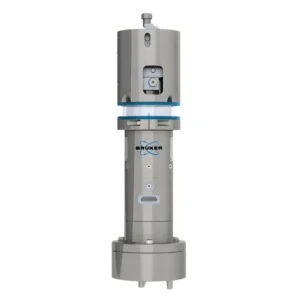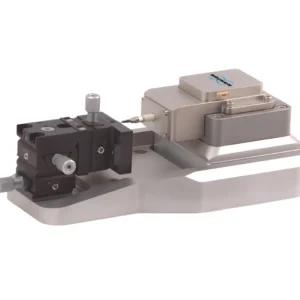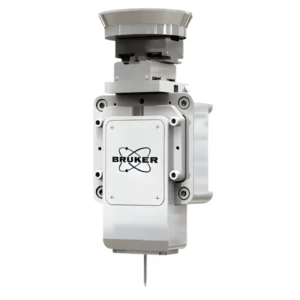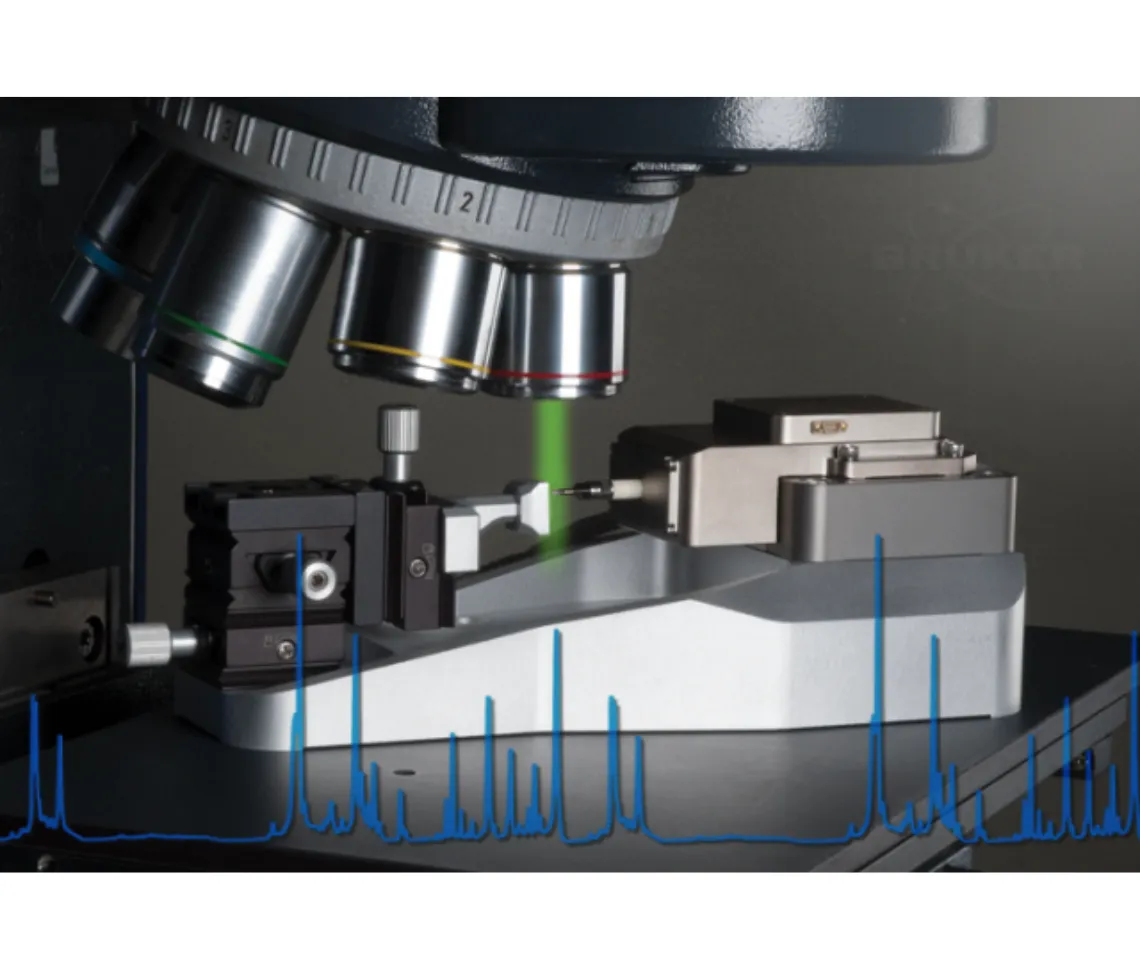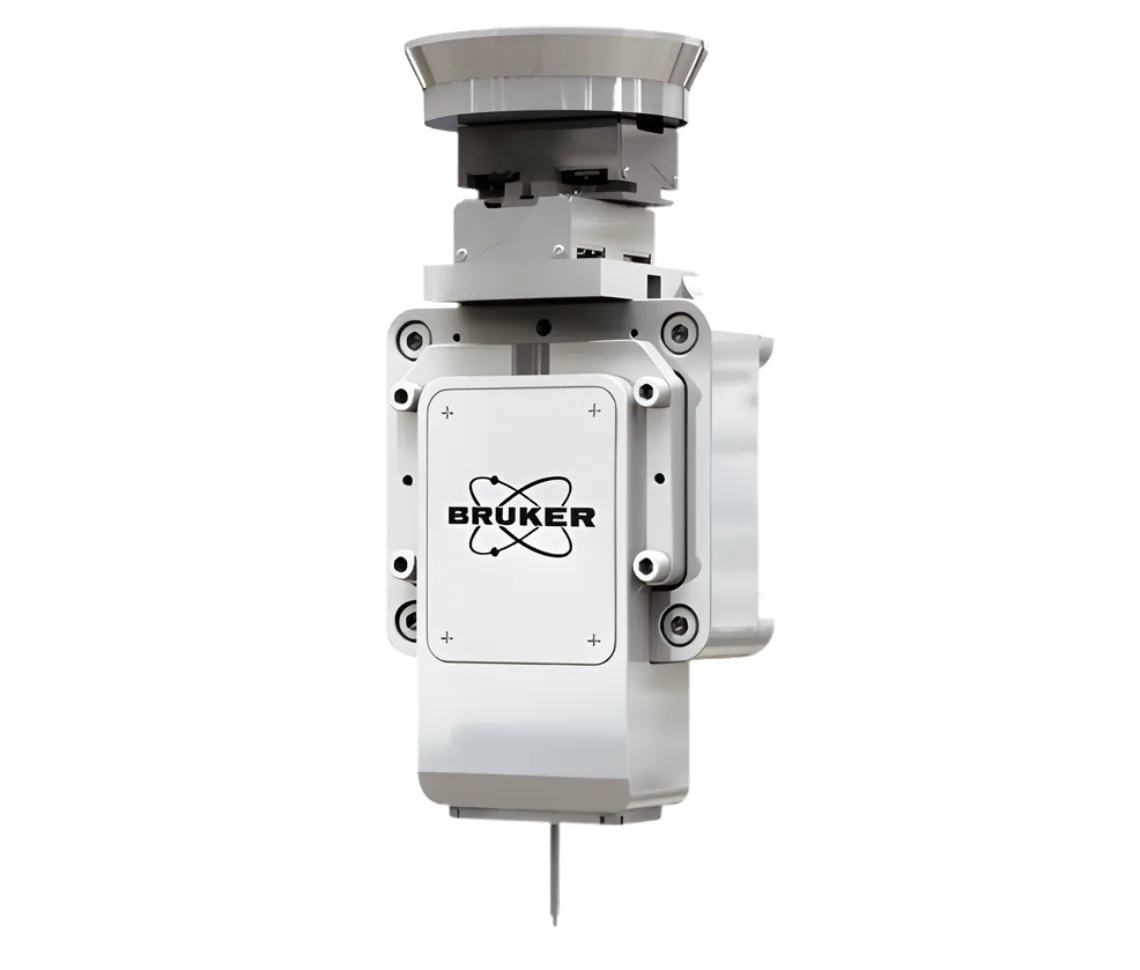

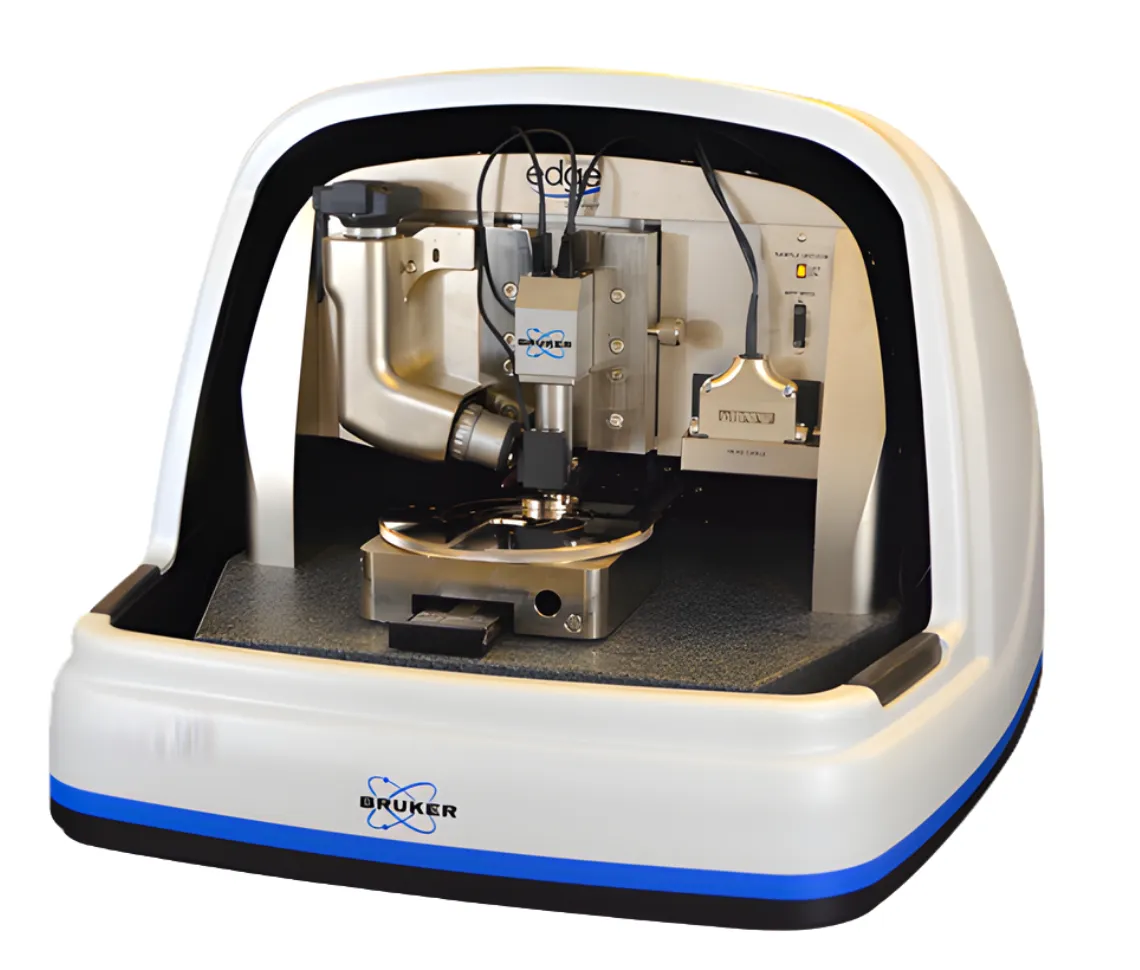
Description
| Feature | Description |
|---|---|
| Quantitative Rigid-Probe Characterization | Eliminates uncertainties from cantilever-based nanoindentation, providing direct force and displacement measurements. |
| Capacitive Transducer Technology | Proprietary transducer delivers superior control over nanoindentation with industry-leading force and displacement noise floors. |
| Mechanical Interface | Intuitive design streamlines integration with select Bruker Dimension and MultiMode AFMs. |
| Testing Modes | Quasi-Static Nanoindentation: Characterizes mechanical properties of small material volumes. ScanningWear: Measures wear resistance at the nanoscale. |
| Rigid-Probe Advantage | Directly measures material response without interference from cantilever flexural or rotational stiffness. |
| Electrostatic Force Actuation | Proprietary actuation and capacitive displacement sensing achieve ultra-low noise and low thermal drift for nanoscale characterization. |
| Force and Displacement Feedback Control | Closed-loop control at 78 kHz loop rate enables rapid response to material deformation and precise reproduction of operator-defined test functions. |
| Upgrade Options | Hysitron BioSoft can be configured with additional modules to expand capabilities for current and future research needs. |
| Applications | High-throughput material screening with nanoDMA III for thin films and transparent conducting oxides; monitoring hardness, modulus, and wear depth of thin hard coatings on steel. |